
Neurological Emergencies in Pets: Recognizing the Signs That Can't Wait
Sudden seizures, paralysis, severe disorientation, or loss of balance can all indicate a serious neurological emergency. At Five Rivers Pet Emergency Hospital in New Market, TN, our team is trained to assess and stabilize pets experiencing urgent neurological conditions, with speed, skill, and compassion.
Experienced emergency professionals available when it matters most
Prepared to assess and respond to a wide range of neurological emergencies
Clear guidance to help you make confident decisions under pressure
Focused on both medical care and compassionate family support
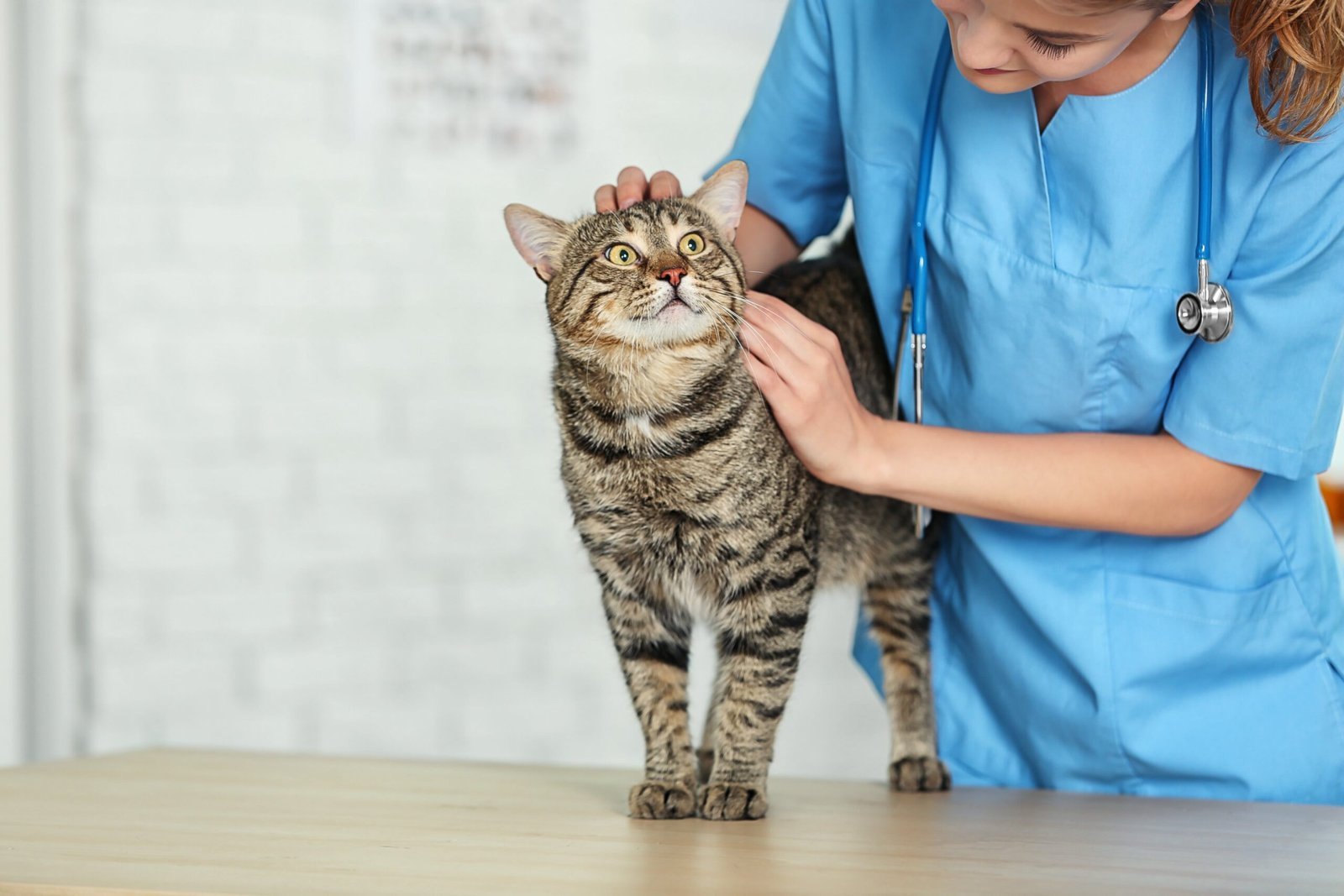

Urgent Diagnostics
Fecal testing, bloodwork, and imaging to find the cause
Rapid Supportive Care
Stabilize your pet with fluids, pain relief, and supportive care
Targeted Treatment
Medications, antibiotics, or dietary changes based on diagnosis
Signs Your Pet May Have a Neurological Emergency
Neurological emergencies can appear suddenly and progress rapidly. Knowing what to look for, and when to act, can make a critical difference in your pet’s outcome. If your dog or cat is experiencing any of the following, please contact us immediately at (423) 581-9492.
Seizures and Status Epilepticus
A seizure occurs when abnormal electrical activity in the brain causes involuntary movements or behaviors. While a single, brief seizure may not always be immediately life-threatening, seizures lasting more than 5 minutes or multiple seizures occurring in a 24-hour period constitute a medical emergency called status epilepticus, and require immediate intervention.
Signs to watch for:
- Sudden loss of consciousness or muscle control
- Paddling legs, jaw chomping, or full-body convulsions
- Loss of bladder or bowel control during the episode
- Prolonged confusion, blindness, or extreme disorientation after the seizure (post-ictal phase)
When it’s an emergency:
- A seizure lasting longer than 5 minutes
- Two or more seizures within 24 hours
- Your pet does not recover to normal behavior within 30 minutes of a seizure
The Risk: Prolonged seizures cause brain damage, dangerous overheating, and can be fatal. Do not wait to see if a second seizure occurs.
Sudden Loss of Balance or Coordination (Ataxia)
Ataxia (the sudden inability to walk normally, maintain balance, or coordinate movements) can be caused by conditions ranging from inner ear dysfunction to spinal cord injury or a vascular event (sometimes called a “stroke” in pets). Sudden-onset ataxia always warrants emergency evaluation.
Signs to watch for:
- Falling, stumbling, or listing to one side
- Head tilt with rapid, involuntary eye movement (nystagmus)
- Inability to stand or walk
- Running into objects or seeming confused about surroundings
Fainting Aortic Thromboembolism (FATE/Saddle Thrombus) in Cats
FATE is a devastating emergency specific to cats, most often occurring in those with underlying heart disease. A blood clot lodges at the base of the aorta (the “saddle”), blocking blood flow to the hind legs. Affected cats experience sudden, severe paralysis of the hind limbs and intense pain.
Signs to watch for immediately:
- Sudden inability to use the back legs. Legs are cold, limp, or dragging
- Crying or vocalizing intensely due to pain
- Labored breathing, pale or bluish gum color
The Risk: This condition requires immediate emergency pain management and intensive care. Time to treatment is critical for outcomes.
Vestibular Disease (“Old Dog Syndrome”)
Sudden vestibular syndrome in dogs, particularly in senior dogs, can closely mimic a stroke. It affects the vestibular system that controls balance, causing dramatic but often treatable symptoms. While the condition itself is usually not life-threatening, it must be distinguished from truly severe neurological emergencies through prompt evaluation.
Symptoms:
- Sudden, severe head tilt
- Rapid eye movement from side to side (nystagmus)
- Falling, rolling, or being unable to stand
- Nausea and vomiting from disorientation
Traumatic Brain Injury (TBI)
Any significant blow to the head, from a vehicle strike, a fall, a kick, or a blunt force encounter, can cause a traumatic brain injury. TBI can initially appear mild but deteriorate rapidly as swelling or bleeding inside the skull increases. Pets who have experienced significant head trauma should always be evaluated immediately, even if they seem alert.
Signs to watch for:
- Different-sized pupils (one large, one small)
- Loss of consciousness, even briefly
- Seizures following head trauma
- Progressive lethargy, confusion, or disorientation
Neurotoxicity / Toxin Exposure
Many common household and outdoor toxins, including certain mushrooms, blue-green algae, xylitol (in sugar-free products), certain medications, and others, can cause serious neurological symptoms. If you suspect your pet has been exposed to a toxin, time is critical.
Common signs:
- Muscle tremors or twitching
- Extreme agitation or vocalization
- Paralysis or sudden inability to move
- Dilated pupils, drooling, and extreme salivation
Common Culprits: Metaldehyde (slug/snail bait), permethrin (in dog flea products applied to cats), xylitol, blue-green algae, and certain wild mushrooms.
Get Help Now
If your pet is having a seizure, can’t walk, or is showing signs of severe neurological distress, don’t wait. Call us or come in immediately.
- Emergency-focused medical care
- Calm, experienced professionals
- Support for both pets and their families
Lasting more than 24 hours
Blood in stool or vomiting
Signs of dehydration or severe lethargy
Dedicated Teams Trained for Neurological Emergencies
Neurological emergencies require fast, careful evaluation. At Five Rivers Pet Emergency Hospital, our team is trained to quickly assess pets presenting with seizures, sudden paralysis, severe ataxia, and other neurological signs — stabilizing your pet and providing the urgent care they need.
Calling ahead allows our team to prepare for your specific situation. Once you arrive, we rapidly assess your pet’s neurological status and begin appropriate stabilization and treatment.
We know these emergencies are terrifying for families. Our team prioritizes keeping you informed throughout the entire process.
Got Questions?
What should I do if my dog is having a seizure right now?
Stay calm and keep your pet safe. Move furniture and hard objects away from your pet to prevent injury, but do not restrain them or put your hands near their mouth. Know that a seizing animal can bite reflexively. Time the seizure. If it lasts more than 5 minutes, call us immediately at (423) 581-9492 and come in. Keep your pet cool and quiet during and after the episode.
Can pets have strokes?
Yes, though the term is used somewhat differently than in human medicine. Pets can experience vascular events that affect the brain (ischemic or hemorrhagic strokes), as well as other sudden neurological events that appear stroke-like, including vestibular disease and FATE in cats. Sudden neurological changes should always be evaluated promptly.
My cat suddenly can't use her back legs. What should I do?
This is a potential veterinary emergency. Sudden hind limb paralysis in cats, particularly when the legs are cold to the touch, is a hallmark of aortic thromboembolism (FATE/saddle thrombus), a life-threatening condition. Call us immediately at (423) 581-9492 and come in right away. Do not wait.
How can I tell if my pet's head tilt is an emergency?
Head tilts that appear suddenly, especially when accompanied by falling, inability to walk, rapid eye movement, and vomiting, require emergency evaluation to rule out serious causes like a brainstem lesion, toxin exposure, or vascular event. While vestibular disease is a common and often treatable cause, it must be properly diagnosed to rule out more serious conditions.
Do you treat neurological emergencies for both dogs and cats?
Yes. We provide emergency neurological care for dogs, cats, and other companion animals at our facility in New Market, TN. We serve pet owners throughout Jefferson County, Hamblen County, Grainger County, Knox County, Sevier County, and the greater East Tennessee region, including Morristown, Jefferson City, Dandridge, Sevierville, and Knoxville.

Don't Wait. Get Help Now.
If your dog or cat is experiencing diarrhea and you’re concerned, don’t wait. Our emergency team is ready to diagnose and treat your pet promptly.