
Pet Trauma & Injuries: Fast Care When Your Pet Needs It Most
Accidents happen without warning. If your dog or cat has been injured (whether hit by a car, attacked by another animal, suffered a serious fall, or something else) the team at Five Rivers Pet Emergency Hospital in New Market, TN is here to help. We provide immediate trauma assessment and treatment for pets across East Tennessee.
Experienced emergency professionals available when you need it
Prepared to assess and stabilize a wide range of traumatic injuries
Clear guidance to help you act quickly and safely
Focused on both medical care and compassionate support for your family
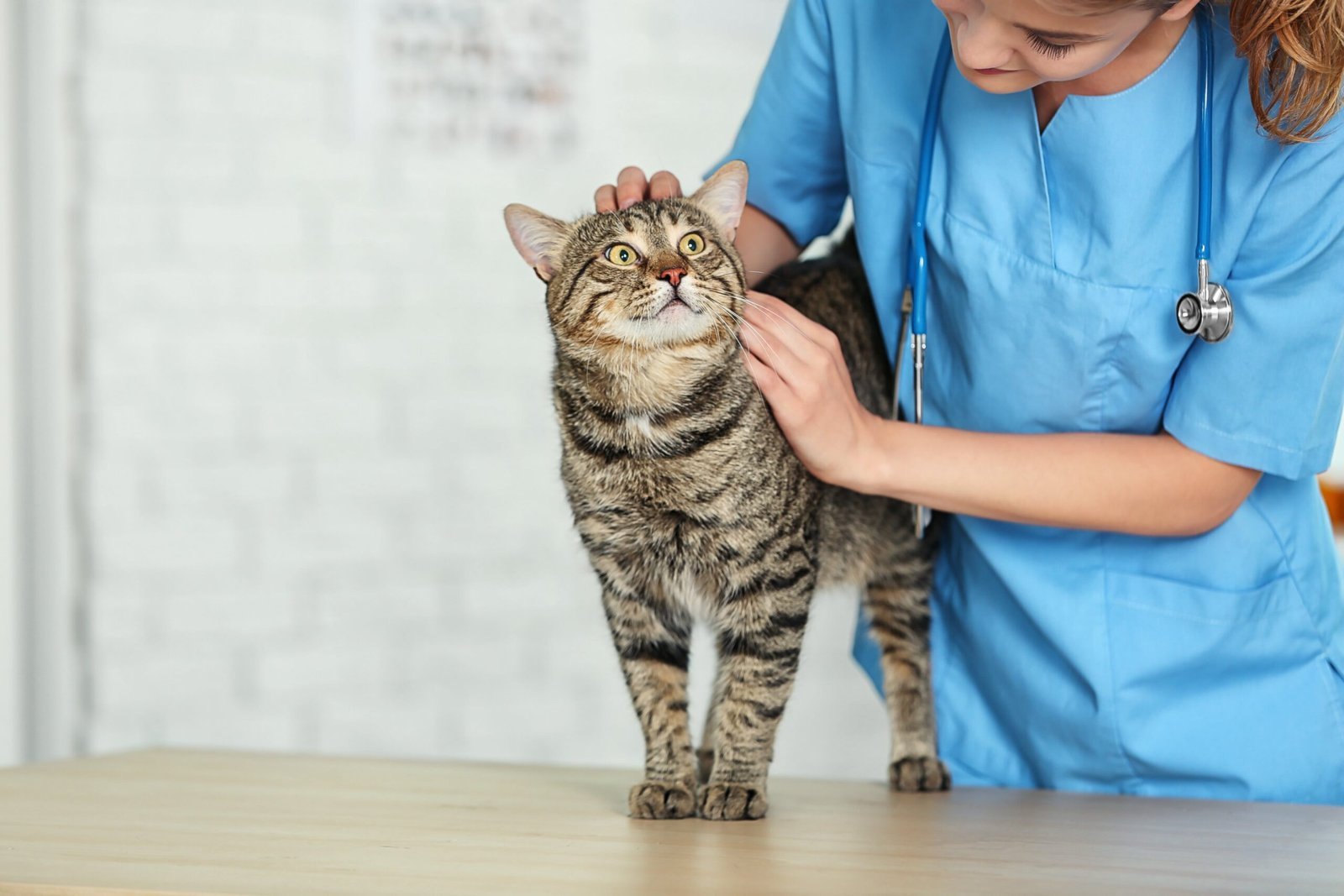

Urgent Diagnostics
Fecal testing, bloodwork, and imaging to find the cause
Rapid Supportive Care
Stabilize your pet with fluids, pain relief, and supportive care
Targeted Treatment
Medications, antibiotics, or dietary changes based on diagnosis
Types of Pet Trauma We Treat
Traumatic injuries vary widely in severity, but even injuries that appear minor on the surface can mask serious internal damage. Any time your pet has experienced a significant impact, fall, or attack, prompt veterinary evaluation is essential.
Hit by a Car or Vehicle
Being struck by a vehicle is one of the most severe traumas a pet can experience. Even if your pet appears to be walking or conscious, internal injuries, including organ damage, internal bleeding, fractured ribs, and pneumothorax (collapsed lung), may not be immediately visible.
Signs to watch for immediately:
- Pain, limping, or refusal to bear weight
- Rapid or labored breathing
- Pale, white, or blue-tinged gums
- Bleeding, visible wounds, or obvious fractures
- Disorientation, collapse, or loss of consciousness
The Risk: Internal hemorrhaging, collapsed lungs, or organ rupture can be life-threatening if not treated immediately. Always seek emergency evaluation after a vehicle strike — even if your pet seems “okay.”
Animal Attacks and Bite Wounds
Dog bites, cat bites, and wildlife attacks can look deceptively minor on the outside while causing significant damage beneath the skin. The crushing force of a bite can tear muscle, puncture the chest or abdomen, and introduce serious infection-causing bacteria.
When it’s an emergency:
- Deep puncture wounds, especially on the neck, chest, or abdomen
- Wounds with significant bleeding that won’t slow
- Breathing difficulty after a chest wound
- Swelling, discharge, or rapidly worsening infection
The Risk: Bacteria from bite wounds can cause rapid-onset infection. Wounds to the chest cavity are immediately life-threatening.
Lacerations and Heavy Bleeding
Cuts from sharp objects, fences, or debris can range from minor to severe. Deep lacerations may require surgical repair and can cause dangerous blood loss if not managed quickly.
Immediate steps:
- Apply firm, direct pressure with a clean cloth
- Do NOT remove an embedded object; stabilize it
- Keep the wound as clean as possible during transport
- Seek emergency care immediately for any wound that won’t stop bleeding
The Risk: Significant blood loss can lead to shock. Professional intervention is needed for wounds that won’t stop or that are near joints, the abdomen, or the face.
Falls and High-Rise Syndrome
Cats that fall from significant heights (a condition known as High-Rise Syndrome) can suffer severe orthopedic and internal injuries, even when they land on their feet. Dogs that fall from decks, vehicles, or elevated surfaces also require prompt evaluation.
Signs to watch for:
- Limping or inability to walk
- Bloody nose or mouth
- Labored breathing
- Swelling in limbs, jaw, or chest
How to Safely Transport an Injured Pet
When moving an injured pet, your safety and your pet’s stability are both priorities. An injured animal in pain may bite or scratch reflexively. This is normal and not a sign of aggression.
Key transport tips:
- Muzzle if needed: Use a soft tie, strip of fabric, or leash in a pinch
- Support the body: Use a firm surface like a cutting board or box as a makeshift stretcher if a back or spinal injury is suspected
- Control temperature: Keep your pet warm if in shock
- Call us at (423) 581-9492 as you’re on your way so we can prepare for your arrival
Get Help Now
If your pet has experienced a traumatic injury, time is critical. Please call ahead if possible so our team can prepare for your arrival.
- Emergency-focused medical and surgical care
- Calm, experienced professionals
- Support for both pets and their families
Lasting more than 24 hours
Blood in stool or vomiting
Signs of dehydration or severe lethargy
Dedicated Teams Trained for Trauma
Trauma care requires both speed and precision. At Five Rivers Pet Emergency Hospital, our emergency team is trained to rapidly assess injured pets, stabilize vital signs, and determine the full extent of injuries, including those that aren’t immediately visible.
When you call ahead, our team can help you assess the situation and guide you safely to us. Once you arrive, we move quickly to evaluate your pet’s condition and begin appropriate care, all while keeping you informed throughout the process.
Got Questions?
My dog was hit by a car but is walking. Do I still need to come in?
Yes, absolutely. Internal injuries including organ damage, internal bleeding, and rib fractures frequently show no immediate outward signs. A pet that is walking after a vehicle strike can deteriorate rapidly. Please call us immediately and come in for a full evaluation.
How do I stop bleeding from a wound before I get to you?
Apply firm, direct pressure with a clean cloth, towel, or gauze and maintain steady pressure without lifting. Do not use a tourniquet unless bleeding is from a limb and is life-threatening. If an object is embedded in the wound, do not remove it. Stabilize it in place and come in immediately. Call us at (423) 581-9492 on your way.
Are bite wounds really that serious?
Yes. Bite wounds are often far more serious than they appear. The crushing force of a bite can cause internal damage well beyond the visible skin puncture, and infection can set in extremely quickly, particularly from cat bites. Any animal bite wound, especially to the neck, chest, or abdomen, should be evaluated same-day.
Do you offer emergency surgery for trauma?
Yes. Five Rivers Pet Emergency Hospital offers emergency surgery for pets who require it as a result of traumatic injuries, including internal injuries, wound repair, and fracture stabilization.
Do you treat trauma injuries for both dogs and cats?
Yes. We provide emergency trauma care for dogs, cats, and other companion animals at our New Market, TN facility. We serve the surrounding communities of Morristown, Jefferson City, Dandridge, Sevierville, Knoxville, and throughout East Tennessee.

Don't Wait. Get Help Now.
If your dog or cat is experiencing diarrhea and you’re concerned, don’t wait. Our emergency team is ready to diagnose and treat your pet promptly.