GI Emergencies in Pets: When to Seek Immediate Care
Sudden vomiting, bloating, or distress can signal a life-threatening GI emergency. At Five Rivers Pet Emergency Hospital in New Market, TN, our team is trained to assess and treat urgent gastrointestinal conditions in dogs and cats, with compassion and speed.
Experienced emergency professionals available when it matters most
Prepared to handle a wide range of GI emergencies, from vomiting to GDV
Clear guidance so you can make confident decisions under pressure
Focused on both medical care and compassionate support
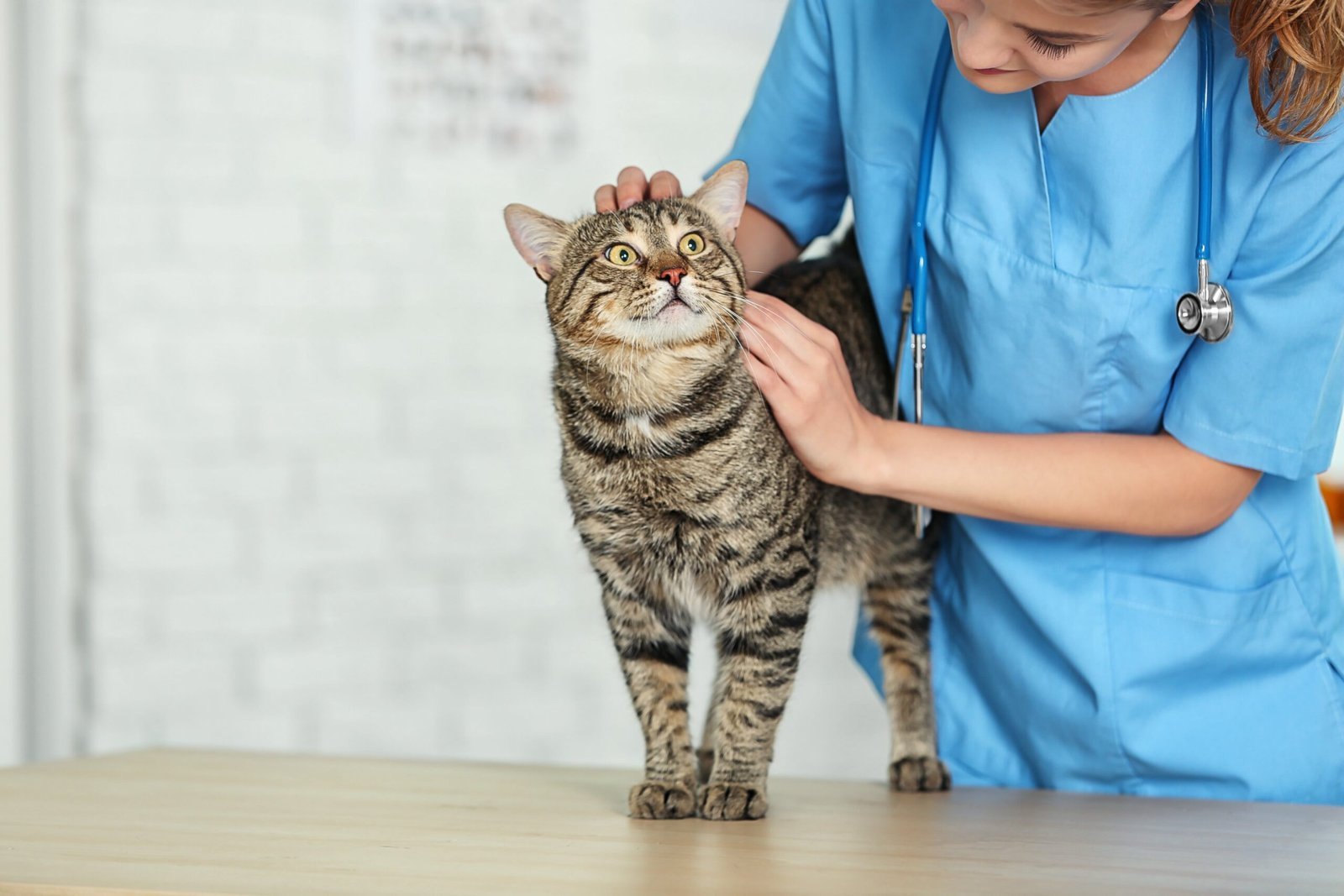

Urgent Diagnostics
Fecal testing, bloodwork, and imaging to find the cause
Rapid Supportive Care
Stabilize your pet with fluids, pain relief, and supportive care
Targeted Treatment
Medications, antibiotics, or dietary changes based on diagnosis
Signs Your Pet May Have a GI Emergency
Gastrointestinal issues are one of the most common reasons pet owners seek emergency veterinary care. While mild stomach upset can sometimes be monitored at home, certain symptoms demand immediate attention. If your dog or cat is showing any of the following, please call us at (423) 581-9492 or come in right away.
Persistent Vomiting
Vomiting once is rarely cause for panic, but repeated vomiting — especially when it contains blood, bile, or foreign material — can signal a serious internal problem. In cats, multiple vomiting episodes within a short window are rarely “just hairballs” and should be evaluated promptly. Persistent vomiting can quickly lead to dangerous dehydration.
When it’s an emergency:
- Vomiting 3 or more times in a short period
- Vomit containing blood (red or coffee-ground appearance)
- Lethargy, weakness, or collapse alongside vomiting
- Suspected ingestion of toxins, foreign objects, or medications
Severe or Bloody Diarrhea
Diarrhea that is severe, continuous, or contains blood (hemorrhagic gastroenteritis, or HGE) can be life-threatening if not treated quickly. HGE causes dramatic fluid loss and can send pets into shock. Pets with this condition may deteriorate rapidly — don’t wait to see if it resolves on its own.
When it’s an emergency:
- Diarrhea lasting more than 24 hours or rapidly worsening
- Bright red blood or black, tarry stool
- Combined with vomiting, weakness, or pale gums
- Suspected toxin or foreign body ingestion
Bloat and GDV (Gastric Dilatation-Volvulus)
Bloat, and its more severe form GDV, is one of the most dangerous conditions a dog can face. The stomach fills with gas and may twist on itself, cutting off blood supply to vital organs. Without emergency surgical intervention, GDV is fatal. Large, deep-chested breeds — like Great Danes, German Shepherds, Labrador Retrievers, and Standard Poodles — are especially prone, though any dog can be affected.
Signs to watch for immediately:
- Distended, hard, or visibly swollen abdomen
- Unproductive retching — attempting to vomit without bringing anything up
- Restlessness, pacing, or inability to get comfortable
- Drooling, shallow breathing, or rapid deterioration
The Risk: GDV is a surgical emergency. Time is critical — every minute counts.
Constipation and Obstipation
While infrequent defecation isn’t always urgent, severe straining without results — particularly in cats — can escalate quickly. Megacolon in cats and urinary tract obstructions (which can be confused with constipation) require same-day veterinary attention.
Signs to watch for:
- Straining in the litter box or squatting repeatedly outdoors without producing stool
- Crying or vocalizing during attempts to defecate
- No bowel movement for more than 48–72 hours
Important: If your cat is straining without urinating, this may be a urinary emergency — call us immediately.
Get Help Now
If your pet is showing signs of GI distress — persistent vomiting, bloating, bloody stool, or inability to keep food down — don’t wait. Reach out to our team right away.
- Emergency-focused medical care
- Calm, experienced professionals
- Support for both pets and their families
Lasting more than 24 hours
Blood in stool or vomiting
Signs of dehydration or severe lethargy
Dedicated Teams Trained for GI Emergencies
GI emergencies require fast, accurate assessment. At Five Rivers Pet Emergency Hospital, our team evaluates your pet’s full clinical picture — symptoms, history, vitals, and diagnostic findings — to determine the most effective course of care.
When you contact us during a GI emergency, our team can help you assess the severity of the situation over the phone and guide you on whether to come in immediately. Once you arrive, we move quickly to stabilize your pet and begin appropriate treatment.
We prioritize clear communication throughout the process, so you always know what’s happening and what options are available.
Got Questions?
What qualifies as a pet GI emergency?
A GI emergency typically involves symptoms that are severe, rapid-onset, or involve blood. These include repeated vomiting, bloody diarrhea, abdominal bloating with unproductive retching (possible GDV), collapse, or known ingestion of a toxin or foreign object. When in doubt, call us. We’d rather help you assess the situation than have you wait too long.
Should I call before bringing my pet in?
Yes. Calling ahead allows our team to assess the severity of your pet’s condition and prepare for your arrival. For conditions like suspected GDV or severe hemorrhagic gastroenteritis, early notification allows us to have resources ready before you walk through the door.
Can bloat in dogs resolve on its own?
No. Gastric dilatation-volvulus (GDV) is always a surgical emergency and is fatal without intervention. Even simple bloat (without twisting) requires prompt veterinary evaluation to rule out GDV and relieve dangerous gas buildup. Never take a “wait and see” approach with a visibly distended abdomen and unproductive retching.
How quickly can a GI emergency become life-threatening?
GDV can become fatal within hours. Hemorrhagic gastroenteritis (HGE) can cause shock-level fluid loss rapidly. Even repeated vomiting can lead to dangerous dehydration in small or young pets. Speed is a key factor in GI emergency outcomes — if you’re concerned, contact us immediately.
Do you treat both dogs and cats for GI emergencies?
Yes. We treat dogs, cats, and other companion animals experiencing GI emergencies in New Market, Morristown, Jefferson City, Dandridge, and surrounding areas of East Tennessee.
Don't Wait. Get Help Now.
If your dog or cat is experiencing diarrhea and you’re concerned, don’t wait. Our emergency team is ready to diagnose and treat your pet promptly.